The Reply
To send, or not to send?
Anand had asked himself this question a thousand times. And a thousand times later, the letters went back into the tin box—a biscuit tin, locked, shoved under the bed. There was no money in it, only letters, every one of them addressed to the same woman.
The first had been written years ago, on a certain evening. He was crouching behind the house when he saw his wife Meera crouched over a basin, washing a few strips of faded old cloth. Wring them out, and they had to be hung in the darkest corner, hidden like evidence of a crime.
“Use sanitary pads. They’re only fifty-five rupees,” he said.
Meera shook her head. Fifty-five rupees was three days of food for the whole family. For that small thing, nine out of ten women in India couldn’t afford it. Some had dropped out of school for it; some had fallen ill from going without; and most women, like her mother before her, had never once spoken of it aloud.
That night, Anand didn’t sleep. He had left school at fourteen—repaired machines, worked odd jobs, tasted every hardship there was. He thought: I will build a cheap one. That sentence took four and a half years and more than a thousand failures to pay back.
The First Letter
Meera: The villagers call me a pervert now. I strapped a fake belly to my waist and went about as usual—working the fields, riding my bike, playing ball—just to test whether the thing leaked. They saw, and said a man doing this sort of thing shames his ancestors. The day Mother left, she washed and folded all my clothes and laid them on the bed. She stood at the doorway a long time. She was old; she couldn’t carry the weight of the whole village’s gaze. I know it isn’t that she disowned me. And you left too. I don’t blame either of you. Someone has to bear the slander first. Anand
Not one of the people who cursed him meant him harm. Their ancestors had never seen a man do such a thing. Fear, sometimes, looks exactly like shame.
The Second Letter
Meera: I’ve moved near the medical college to sneak into lectures. At first the professor drove me away; later he taught me. I took an imported pad apart, layer by layer, like dismantling a wall—and at the very core, it was nothing but plant fiber. The wall was never a wall, just paper. The price isn’t in the thing itself; it’s in the fact that no one would build machines for the poor. One hundred and seventeenth failure today. Strange—though the machine hasn’t come, I’ve already mastered everything there is to know about building one. —Anand
In those years he slept in railway stations, gnawed cold flatbread. The village shut its doors, the world shut him out, and he taught himself out there, on the doorstep of everywhere.
The Third Letter
Meera: It works. A machine the size of a table, making pads for pennies apiece. The imported production line costs millions; mine, less than a thousand dollars. The scrapped blueprints are piled half as tall as I am under the bed. The first to come learn was the sister from next door. She pressed the pedal, her hands trembling the whole time. When the machine started up, she suddenly wept, saying that in half a lifetime, this was the first thing she had ever “made with her own hands.” Today a company sent people to buy out the technology—more money than I could earn in several lifetimes. I refused. When you hear that, will you laugh at me for being a fool? Anand
The Fourth Letter
Meera: I’ve made the technology free—not a rupee charged. The machines have gone into a thousand villages; the sisters build them themselves, sell them themselves, and use the money to pay their daughters’ school fees. A young girl wrote to say she no longer has to hide at home—she’s back in school. The tax on it, the government has abolished too. They put me on some list or other, made a film about me—Mother sat in the theater holding my hand, and said nothing when the lights came up. None of that matters. What matters is this sentence, which I write down for fear that one day I’ll forget it: Poverty doesn’t kill people. Ignorance and isolation do. I’ve written so many letters, and never sent one. It isn’t that I dared not—I was waiting for a day worthy of them. Now the village has light. If you ever want to come back and see, the road is open. Anand
No one knew how many clippings about him Meera had saved during all those years at her parents’ home. She cut them out one by one and pressed them into the bottom of her dowry chest, and when anyone asked, she said only: he did no wrong.
The last letter, Anand did not lock back in the tin box. He tied up the whole box and mailed it.
A few mornings later, a letter lay at the courtyard gate. The handwriting on the envelope he had known half his life—the strokes light, as if afraid of breaking something.
“Anand: All the letters arrived, one by one—like hearing you say, at last, everything from all these years. Mother moved back last month. Every day she goes through your blueprints in the courtyard. I’ve scrubbed the pot. Wait for me. Meera”
He read the letter three times, put it in his pocket, rolled up his sleeves, and walked into the kitchen. He did it the way Meera did—scrubbed the pot, lit the fire. He thought: when she comes back, if the meal is already cooked, that will be good.
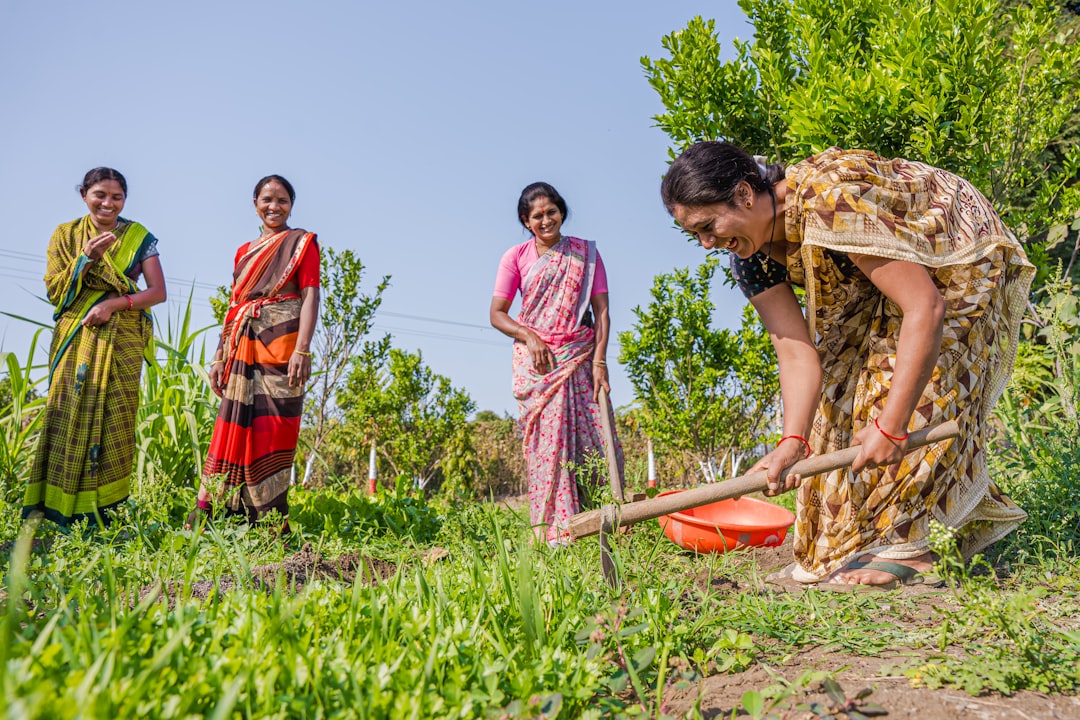
Morning light fell into the kitchen, onto the rim of the pot he had scrubbed clean, and onto the machines turning, one after another, throughout the village. That small thing had once made women bow their heads, hide, fall sick, drop out of school; now it was made, piece by piece, from women’s own hands—like lamps, in houses of mud, lighting up one by one.
Later, someone counted: machines and skills like these had loosened the bonds of daily life for six hundred million women. And where it all began was only a strip of faded cloth, and the night a man refused to turn away.
This story is adapted from true events. All names are pseudonyms.
Based on a true story