Fishing Out a River
September wind blew through the bridge arch, carrying the smell of water. Below the old temple’s steps, the river lay spread open, one whole sheet of light. Children leapt off the bridge, water bursting up around them, their laughter splashing all the way to my tea stall.
I’ve been selling tea here for forty years. In forty years, this is the first time the river has shone like this.
Eight months ago, it was a pool of green-black sludge, bubbling and stewing. Plastic bags hung from the reeds, rattling in the wind like tattered flags no one had come to collect. For five hundred meters in front of the temple, everyone walked by holding their noses. My tea stall couldn’t sell ten cups a day.
The young man arrived on January 26th.
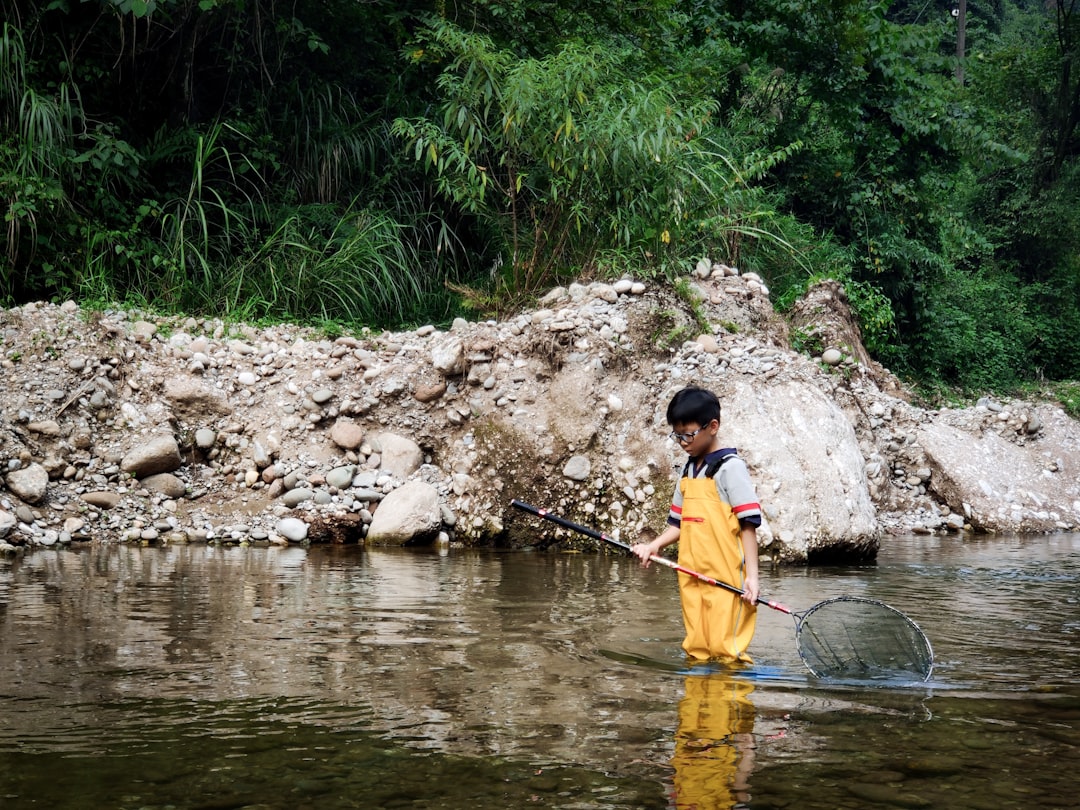
It was a cold day. He stood on the bank for a long time, staring at that green-black water, then took off his shoes, rolled up his trousers, grabbed two woven sacks and a pair of iron tongs, and went down.
His name was Sanjay. Twenty-one, born and raised in this town. He’d welded iron, delivered goods, and was between jobs. He said he used to swim in this river as a boy.
“You can’t even swim, can you?” someone shouted from the bridge.
“Nope.” He didn’t look up. “That’s why I only work where it’s waist-deep.”
A man who couldn’t swim, setting out to clean a river. The whole town told it as a joke.
The first week, four or five friends showed up, thumping their chests, swearing to see it through. They fished for three days. On the fourth day two left, on the fifth, two more. Under the plastic was sludge, under the sludge more plastic—the garbage seemed to breed on its own. By the tenth day, he was alone on the bank with a small mountain of trash.
“Madman,” the tea customers said.
“Madman,” I agreed.
But we saw him every day all the same. There before dawn, out under the scorching sun without rest. Unable to swim, he tied a rope around his waist and fixed the other end to the temple’s stone railing; for things in deeper water, he used a long bamboo pole with an iron hook lashed to it. I asked if he was afraid. He said he was.
“Scared, and still doing it?”
“What I’m really afraid of is waiting.” He hauled a snarl of rotten fishing net out of the mud and flung it onto the bank. “Waiting for the town to approve funds, waiting for the upstream pipes to get fixed, waiting for someone else to start. Wait long enough, and the river waits itself to death.”
When I was a boy, this river was drinking water. My mother would carry a copper pot down to the bank, scoop it full, and come home to boil tea. There were so many fish you could pin one down with your bare hand. Then the road widened, the shops multiplied, and the river took in plastic, then sludge, and finally it swallowed everyone’s memory of it. By the year Sanjay started, the townspeople had long forgotten it was a river. They just called it “that stinking ditch.”
At the end of March, his right arm swelled up shiny and taut—infection from something in the garbage. The townspeople said, surely now he’d rest. He went to the clinic, got a shot, had the wound bandaged, and showed up the very next day as usual. All that changed was that he now had a pair of rubber gloves, a gift from the general store owner’s wife, and a bottle of iodine, from the schoolteacher. More people cursed him, but more people brought him things. That much, I believe.
One evening in May, I was closing up my stall when I heard him shout. It wasn’t a cry for help—he never went into deep water, so he couldn’t make that kind of sound. He stood in waist-high water, motionless, staring at the woven sack by his feet.
A snake. A venomous snake. The mountain of trash was a granary for snakes, and once the weather warmed, they moved in.
I hopped around frantically on the bank, picked up a stone but didn’t dare throw it. Man and snake, half a meter apart, neither moving—the water itself seemed to have stopped. In the end it was he who moved, slowly, slowly shifting his feet, letting the water move first. The snake drifted off with the current, flicked its tail, and slid into the reeds.
When he climbed out that day, his legs were shaking. He sat down in front of my stall and drank three cups of tea, one after another, without a word. I didn’t charge him. The next day, he had a stick, and from then on it never left his hand.
So it went, day after day. The woven sacks piled into a wall at the recycling depot. The owner did the math: the plastic alone filled three truckloads.
By August, a long stretch upstream had been cleared. One of the friends who’d left earliest came back, stood on the bank for a long while without a word, picked up a sack, and went into the water. Sanjay said nothing either, just pressed a pair of iron tongs into his hand. The tongs had been used for eight months, their wooden handles darkened by the sweat of his palms.
In early September, he pulled out the last sack.
That evening, the water came down from upstream, past the front of the temple—and it was clear. The setting sun spread itself across the surface like someone shaking out a bolt of silk. The bridge was packed with people. No one spoke. Then some child—no one knows whose—leapt in first, the water burst open, and that’s what you saw at the beginning.
He himself never went in. He sat on the temple steps watching the others swim. I asked him: can’t swim—any regrets?
“Not being able to swim is how I got it done,” he said. “People who can swim always want to go where it’s deeper. I just wanted to clean the patch of water under my own feet. And isn’t a river just that—patch after patch under someone’s feet?”
What happened next, you may have seen on your phone. Someone cut his eight months of photos and videos into a few minutes, and overnight the whole town knew him, then the whole country, then beyond—the man who cleaned a river without knowing how to swim. Reporters arrived hauling cameras. Officials talked of putting up a commemorative plaque. And there was an email, from a faraway country—an organization that clears plastic from the oceans, asking him to come work for them.
He showed me the email. I couldn’t read those squiggly foreign words, but I could read his face. He asked: “Old man, should I go?”
“You fished a whole river back,” I said. “What’s an ocean?”
He laughed. In eight months, it was the first time I’d seen him laugh so freely.
Nobody calls him madman now. Every morning he still takes a walk along the river—not to fish anything out, just to walk. When he sees a freshly thrown bottle, he bends down and picks it up. The children who follow him—first there were two, then a whole string. The garbage will come back. The river knows it, and so does he. But when the townspeople speak of this river now, no one calls it that stinking ditch anymore.
They say Sanjay fished this river back.
I say no. The river was always here. What he fished out, one by one, was us—all of us waiting on the bank.
This story is adapted from real events. All names are pseudonyms.
Based on a true story