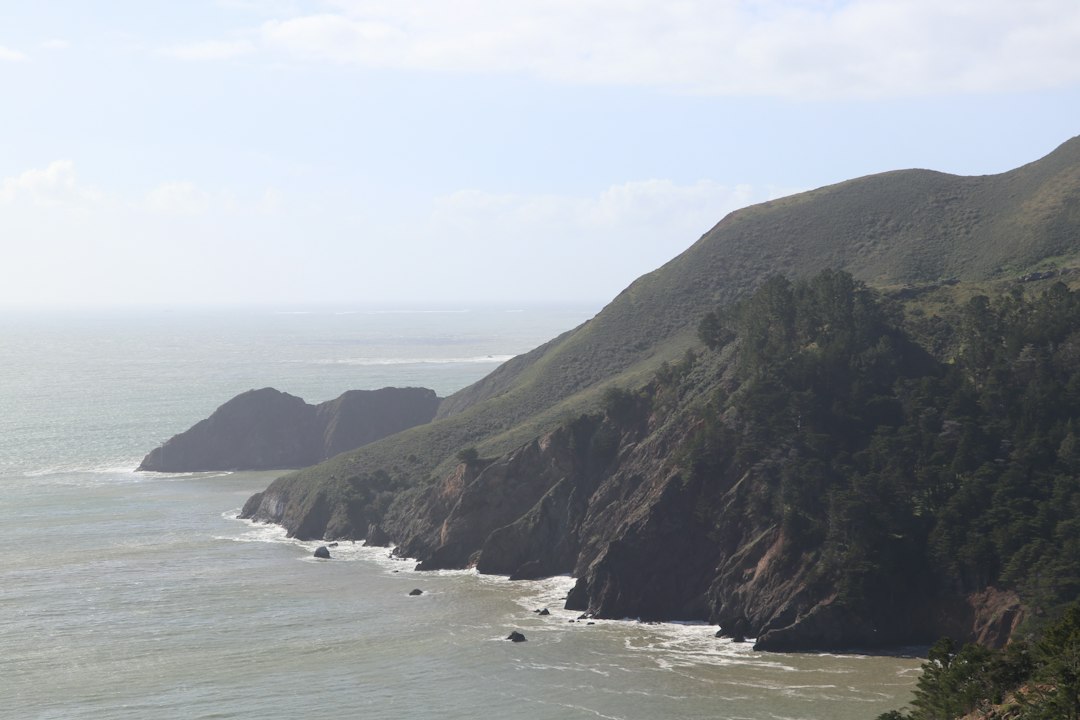
A Year and Everything
April 12, 1963 — Clear skies
The ship docked. You stood at the top of the gangway for a long time, so long the sailor glanced back at you three times. The Pacific was so blue it turned black; palm shadows lay across the deck like a line of badly written characters. The people on the pier spoke words you couldn’t understand—some waved at you, some came close and drew back, as if looking at a tree that could walk. But their laughter was no different from the laughter of your hometown.
You told yourself: one year. If this place had no use for you within a year, you would take the next ship out.
You wrote that promise on the first page, as a witness against yourself.
September 1963 — Wind
You said “thank you” in the tribal tongue as if it meant “let’s eat.” The hospitable tribe feasted you for three days straight. By the third day, you finally learned your first complete sentence: No more, truly, no more.
The whole room laughed, and you laughed too. Afterward you thanked everyone you met, and somewhere in all that thanking, you got it right. You thought: perhaps language isn’t learned—it’s laughed into being.
Summer 1965 — Rain
On the night of a typhoon, a child on the far side of the mountain burned with fever, and the bridge was out. You carried him on your back, walking two hours through the mud, mud and water pouring down your collar. By the time you reached the clinic, one shoe had been swallowed somewhere along the way, and you never went back for it. That mud-stained white robe gave way, from then on, to rough cloth.
The fever broke. His mother gripped your sleeve and asked: why would an outsider care about people of the mountains?
You said: when someone is sick, someone should carry them.
Spring 1968 — Overcast
Your mother’s letter arrived. She wrote that the grass on your father’s grave had grown tall again, that she coughed through the nights, that you should have come home long ago to look. The letter ended, as always, with four words: My son, be safe.
You went back for three months. For three months, you dreamed of this sea every night. The day you returned to the pier, the elders were waiting at the ferry landing with freshly picked breadfruit, as if waiting for a kinsman late from a journey. And you suddenly understood: a person’s life need not have only one home. One sea gave you birth; the other raised you.
The ticket home went into the bottom drawer, never to be touched again.
1970 — Rain
You burned with fever for seven days. The tribe kept watch in shifts, and the bitter fragrance of herbal medicine filled the room. The morning you woke, fishing nets were drying in the sun outside the window, and a child had fallen asleep by the door, clutching a wild mango picked for you, its juice staining his palms yellow.
You had thought you came to care for them. Only on that day did you understand: it was they who had taken you in first.
1975 — Clear skies
You built a little school on the sea terrace. By day you taught the children their letters; by night you lit the lamp to keep accounts for those going out to fish, and to write letters for mothers who couldn’t write. The mothers couldn’t read, but they knew the two characters for “be safe”—whenever the letter reached those words, they would ask you to slow down, slower still. The grandmothers sat under the eaves weaving pandanus mats, teaching you the names of the seasons and the tides.
Your ledger held more than three hundred names: whose child lost a first tooth at what age, whose boy got seasick on his first voyage out—you remembered them all.
The children found “Father” too much of a mouthful, so they called you “Uncle Wheat” instead—your Chinese name, after all, held the character for wheat. You thought: wheat only counts once it falls into the earth.
Autumn 1983 — Wind
An elder came to find you: the harvest festival needed one more person to carry the ceremonial rice. You asked: a white-haired stranger—am I acceptable?
The elder said: you’re one of our own. Why stand on ceremony?
That night you stumbled three times in the dance. The drums never stopped, and neither did the laughter. As the evening ended, an old grandmother hung a string of betel nuts around your neck: come again next year.
At night you looked in the mirror. The white hair in the mirror was, after all, the same color as the elders’ white hair.
1996 — Rain
A typhoon peeled the roofs off half the village. You gave up the schoolhouse, and dozens of people slept inside. You said: this room once taught people to read; now it teaches people to sleep.
In the deep of night, rain and snoring and surf blended into one, like an enormous song. A child asked if you were afraid. You said: what’s a leaky roof? With enough people under it, it doesn’t leak. The next day you picked up tiles and mended beams with everyone else, and someone handed you a bowl of hot porridge. You drank it sitting on the broken tiles, and your chest was warm too.
2008 — Clear skies
A-Lan, one of the girls you’d taught to read, came back from medical school. She carried a medicine case on her back and opened a clinic where the schoolhouse had stood. On opening day, the first patient she asked to see was you: forty-three years ago, someone carried my grandfather two hours through the mud; from now on, it’s my turn to carry you.
You sat in the chair while she took your blood pressure, obedient as a child.
2013 — Clear skies
The tribe pooled their money and built you a small house on the slope. During those days of building, hammering rang from dawn to dusk. You said thank you, and they answered: your own home—what’s there to thank?
The house faced the sea. They said: a Father’s window must be able to see the boats.
You pushed the suitcase you’d used half your life under the bed. On its side still clung the old shipping tag torn off at the pier all those years ago. You looked at it the way one looks at an old friend, no longer asking where it meant to go.
2021 — Overcast
Someone came carrying machines, to film your sixty years. They asked: nearly a lifetime away from home—was it worth it?
You couldn’t answer. Worth was never a matter of accounting. You only pointed things out to them: the houses of this village were the ones whose tiles you had picked up together; the white coats in the clinic belonged to the grandchildren of the ones you had carried on your back.
Later they gave the film a title. The title was theirs to give. Your own name had long since been worn familiar in three hundred mouths—called old, called warm.
April 12, 2026 — Clear skies
Sixty-three years, to the day.
You opened the first diary. On the first page was written: one year. If this place has no use for me within a year, I will take the next ship out.
You laughed. You had broken your word.
Through sixty-three years, ship after ship had come to shore and gone again. You saw off the young ones leaving to study, the old ones returning home to die; that ticket carried so many people to far places—everyone, in the end, but you. It was not that this place couldn’t do without you. It was that only here had you grown into a whole person: a teacher, an old friend of the sick, the worst dancer among the guests, the one name called loudest among three hundred.
You had once thought that “everything” was what you had brought to them. Only now did you understand: it was they who had given it to you, bit by bit.
The drums sounded. A-Lan came running, her little daughter in tow: Grandpa Wheat, are we going again this year?
You said: yes. Every year, we go.
You closed the diary and walked slowly toward the lamplight. The sea wind turned the old days behind you, one page, then another. You had taken the single year you once promised, and made of it everything here.
(The End)
This story is adapted from true events; all names are pseudonyms.
Based on a true story