The Light at Two in the Morning
The headlight reached only a dozen meters ahead.
You rode at the front, slowing, slowing further. That afternoon at the mountain pass, a road sign had read “Rockslide ahead, detour required”—and the GPS, taking matters into its own hands, had led all five of you, five motorcycles, onto a side road into the Kunlun Mountains. Asphalt became gravel, gravel became dirt, and then even the dirt gave out. The elevation kept climbing—3,200 meters, 3,800. Your phone showed empty signal bars. The wind came down off the snowline, cutting through your riding gear and into the marrow of your bones.
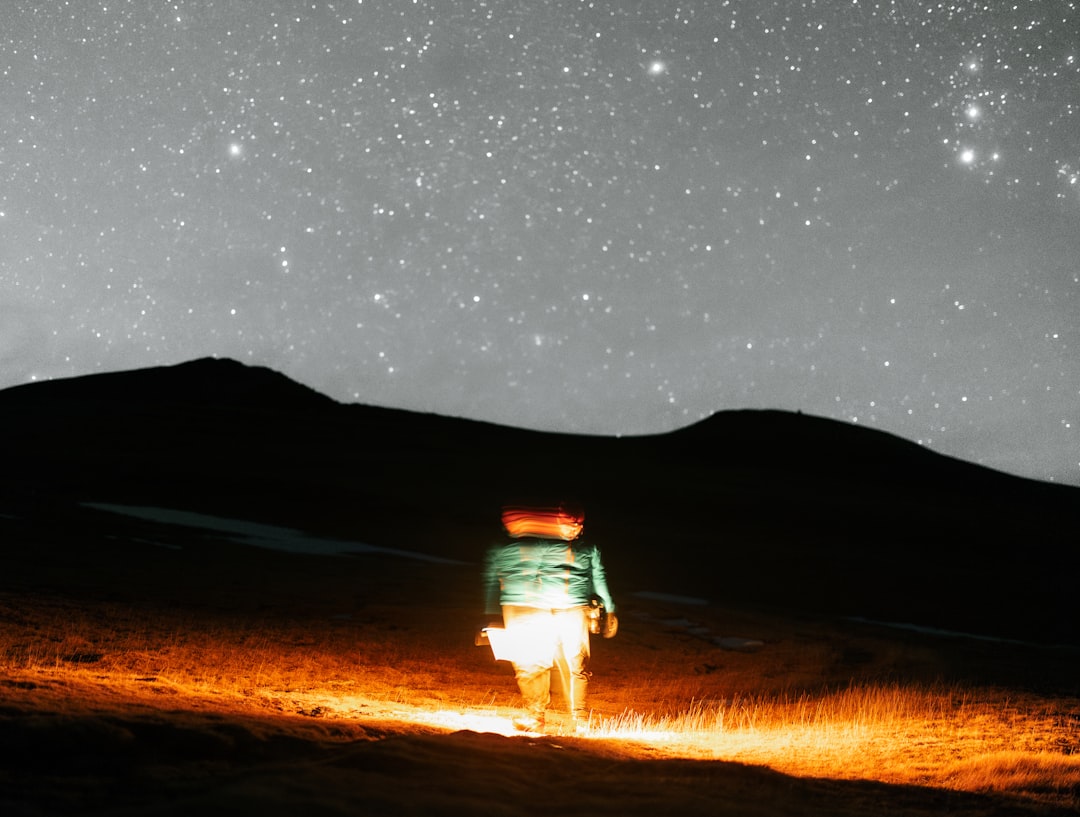
At two in the morning, your headlight swept across a mountain ridge. Beyond it, a few grains of lamplight.
A village. A real village, with people living in it.
You pushed your bikes to the edge of the village and knocked on the door of a house with its lights on. The door opened almost the instant you knocked, as if someone inside had been waiting all along, waiting for some late-night traveler to come knocking.
The man who opened it was a herder, in his fifties. He looked at you, then at the four wind-burned travelers behind you, and stepped aside: “Come in, come in.”
You shared no language. Seeing your frozen hands, he first added two pieces of wood to the stove, then brought out a stack of naan bread, a plate of apples, and a pot of scalding tea. The naan had been broken open and toasted, its wheaty fragrance mingled with the smell of woodsmoke. You devoured everything while he sat across from you, watching, saying nothing, the corners of his mouth turned quietly upward.
Later you learned his name: Bahty, an ordinary herder of the village. This was a Kirgiz herding community, where travelers arriving at night were never questioned about where they came from—that was the old rule of the mountains, a rule you only came to truly believe later. That night, he and his wife gave up the inner room for you—it was the children’s room; the two kids were carried off to their parents’ bed. You lay down in the small single bed and saw two award certificates pasted on the wall, a plastic dinosaur tethered to the headboard. The fire crackled in the next room, and you fell asleep—deeper than you had slept on any night in the city.
In the small hours you woke once more, hearing low voices in the courtyard. It was Aisan, Bahty’s brother, who had come as soon as word reached him. He had served as the village Party secretary and spoke Mandarin. The problem was laid on the table: Lao Zhou’s altitude sickness was getting worse—headache, vomiting, lips turning dark blue. He had to go down the mountain at first light. But after a day lost on the wrong road, two of the bikes were running on fumes, and the nearest gas station was in the county town, dozens of kilometers away.
Aisan paced the room once, went out to make a phone call, and came back to tell you: “I’ll find out about the road. You can get through at daybreak. Don’t worry. I’m a Communist Party member—you can trust me.”
He said it as plainly as if he were saying, “There’s still naan in the pot.”
Aman, the neighbor who had been silent in the corner all this while, stood up, pulled on his coat, and started the motorcycle in the courtyard. He pointed down the mountain, then thumped his own chest, and rode off into the dark.
At four in the morning, the courtyard gate sounded again. Aman was back, two fuel drums on his shoulder—twenty liters of gasoline. The round trip from the village to the county town was over a hundred kilometers, on night mountain roads, and he had driven both ways in the dark. You pulled out money to thank him, but he waved you off again and again, pointing first at Lao Zhou’s bike: “Fill up first, fill up first.”
Before dawn, the tanks were full, and Aisan drew the road conditions he had learned about on the back of a cigarette pack. Breakfast was milk tea made by the lady of the house, while the children peeked around the doorframe at these guests dressed like astronauts. The five of you pooled together ten thousand yuan and presented it to Bahty with both hands. He pushed it back—pushed it back several times, genuinely distressed: “A guest has arrived at my door—what kind of host takes money? You get home safe, that’s worth more than anything.”
On the way down, Aisan rode ahead on his motorcycle to lead the way, waving you on at the fork where he stopped. Passing the rockslide, you all pushed your bikes slowly, one after another, Lao Zhou clinging to a companion’s back seat, his color returning a little. You looked back: the village had shrunk to a pale patch of shadow in the valley, and above it, the snow.
In September, you returned to Shenzhen. All you remembered was the name of the village. The thank-you letter was written by all five of you in turn, signed by everyone, and mailed to the address—like tossing a stone into the mountains. Later, a journalist friend helped track them down, and the moment the video call connected, Aisan on the other end of the screen smiled first: “Safe and sound, that’s all that matters. Safe and sound.”
You sent the words you had discussed for a long time: “Come to Shenzhen and see the ocean. We’ll cover everything.”
There was a moment of silence on the other end. Then a big grinning emoji came back.
After the call ended, you sat alone on the balcony for a long time, thinking of that night in the Kunlun Mountains. What you remembered wasn’t the danger—it was the moment the door opened: the light came on at the doorway first, and only then did a face appear. That lamp hadn’t been lit waiting for you; it was lit every night. It just happened that, at the moment you needed it most, you saw it.
And you finally understood what Aisan’s words meant. Herder, Party secretary, neighbor—those identities came afterward. Whether that door would open in the dead of night—that was the first truth of all.
They say someone later asked Bahty: opening your door in the middle of the night—weren’t you afraid?
He paused for a moment, then answered: “Doors are shut against the wind, not against people.”
(This article is adapted from true events; all names are pseudonyms.)
Based on a true story