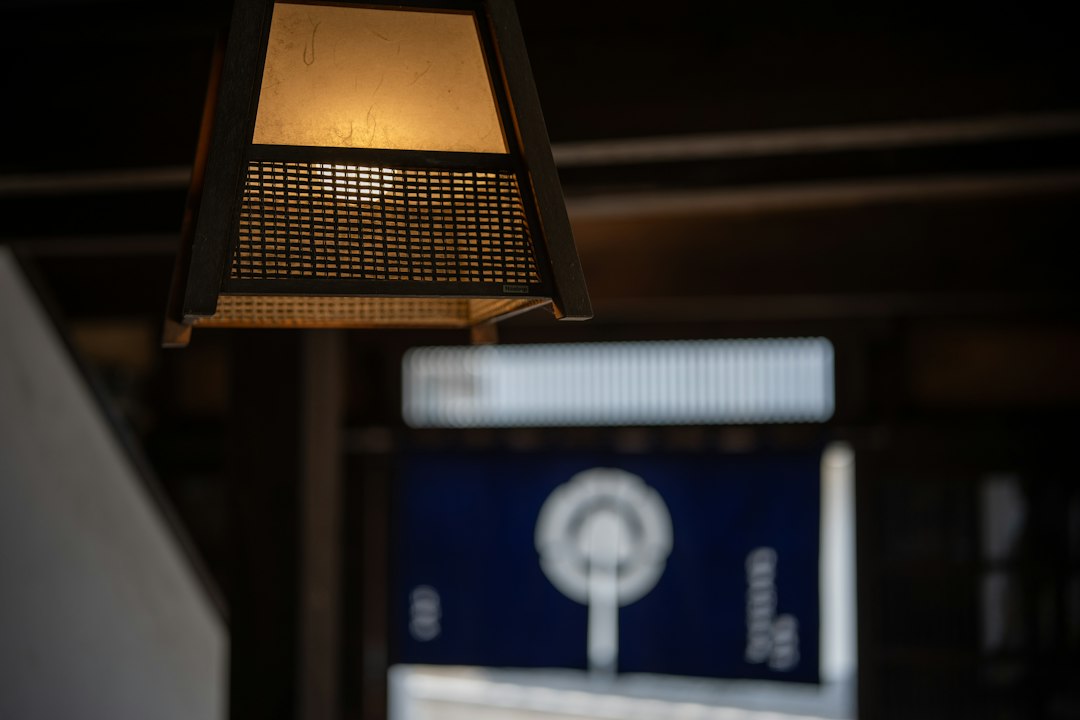
The Train Ticket Under the Desk Lamp
September 12, Sunny
Tonight, you pressed a train ticket flat under your desk lamp.
Hard seat, 236.50 yuan, departing on the 21st at 8:40 p.m., back to your hometown. When these nine days are over, you’ll be gone.
Why nine days? Because the final settlement your company is holding will land in your account on the 21st. You’ve done the math to the last detail: get the money, check out, go home, tell your parents you “came back to rest up for a bit”—without ever mentioning the word “unemployed.”
Today is your sixty-sixth day of unemployment. Every day you still leave the apartment at eight, laptop bag shouldered neatly, riding four subway stops to the city library to “go to work”—sending out résumés, revising résumés, not leaving until the closing bell rings. At night your mother asks on video chat if you’re busy. You say busy. After hanging up, the room is so quiet you can hear the refrigerator breathing.
You picked up the ticket this afternoon. When the machine spat out that slip of paper, you felt something loosen in your chest—as if setting a date for your retreat somehow made the days easier to bear.
This notebook cost you three yuan. You bought it to practice handwriting, and never did. So now you’ll just talk to yourself in it. After all, in this city, the person you talk to the most is yourself.
September 13, Sunny
This morning, you decided to eat one last time at the soy milk stand. One fried dough stick, one bowl of soy milk—the last item remaining from the “luxury expenses” you cut after losing your job.
“Add an egg,” you said. And immediately winced—two yuan, after all.
The auntie cracked the egg into your bowl, then cracked in another. “Look at you, all washed-out pale,” she said, pushing the bowl toward you. “This one’s on me. Put some color back.”
You bowed your head over the soy milk, steam fogging your whole face, and your eyes went hot. The two of you were strangers—how could she possibly have seen how wretched you were? Maybe she hadn’t seen anything at all; maybe it was just habit. But later you figured it out: sometimes a stranger’s small act of kindness is worth more than any word of comfort.
You ate that egg slowly, mopping up even the last of the soy sauce from the bottom of the bowl.
September 15, Light Rain
Your third interview of the afternoon fell through. They saw you out graciously: “You’re great. We’ll be in touch.” You knew that phrase was like a weather forecast—not to be taken entirely on faith.
The subway home was packed, bodies pressed against bodies. Your phone buzzed. The forty-first rejection: “We were impressed by your qualifications, but have selected a candidate whose experience is a closer match.”
Impressed by your qualifications. You stared at those words, and the tears came without warning. You didn’t dare raise a hand to wipe them—one gesture and the whole car would know.
Beside you, a little girl of four or five leaned out of her mother’s arms, stood on tiptoe, and placed a strawberry candy in your palm. “Uncle, have a candy,” she said in her small, milky voice. Her mother smiled at you and said nothing, which probably meant: it’s from a child—take it.
You let the candy melt on your tongue. Sweet, almost too sweet. You didn’t throw away the wrapper—you smoothed it flat and pressed it under the lamp, next to the ticket.
The lamp throws a patch of light no bigger than your palm. These past weeks, that small pool of light is what carried you through more than two months. Now two pieces of paper lay beneath it: one said leaving, and one said sweet.
September 17, Overcast
A heavy rain came down at dusk. You had no umbrella, so you ducked into a fast-food place and ordered a nine-yuan lemonade, camping out all afternoon—free air conditioning, free charging, a bright place to sit and stare.
The customers turned over, wave after wave. At ten that night, the staff started mopping and flipping the chairs onto tables, and you stood up, knowing it was time to go. But the manager chased after you from behind the counter and pressed a hot cup into your hands: “We’re closing. This soy milk’s on me.”
You stood there, stunned. He added: “Come sit again tomorrow, any time.”
Come sit again tomorrow.
You were twenty-six years old, and it was the first time you’d learned that even someone with nowhere to go could be welcomed like it mattered. You carried that cup of soy milk four subway stops, and it was still warm when you got home.
September 19, Sunny
Today, you got to be someone else’s living map.
A young man was crouching by the subway exit, his suitcase split open, wrapped and rewrapped in tape. In an out-of-town accent, he asked if there were any cheap lodging nearby.
You walked him over, and along the way you poured out everything you’d learned in two months: which labor market draws the biggest morning crowds, that any job demanding a deposit up front isn’t worth a second look, which noodle shop fills you up for fifteen yuan and throws in free soup.
He thanked you—“Thanks, brother”—the whole way there. At the door of the lodge, he suddenly asked: “Brother, is this city easy to get by in?”
The question nearly stopped you. You thought for a moment and said: “Take it slow. It’ll all work out.”
The words left your mouth and you froze—half a month ago, you wouldn’t have believed them yourself. But today, when you said them, there was solid ground beneath.
That’s how strange people are: the words you pull out to comfort someone else turn out to heal you first.
September 20, Sunny
You returned the ticket.
The refund fee was forty-seven yuan, and it stung. But after standing at the window for ten minutes, you finally slid your ID card through.
The girl at the window didn’t even look up. “Not going, then?”
“Not going.”
And you startled yourself. In these nine days you’d said so many words, but those three were the ones that sounded most like the truth.
On the way home you bought pork ribs, corn, and a bundle of scallions. No more counting money tonight. Tonight, you make soup.
September 21, Sunny
Eight forty in the evening.
By the ticket’s schedule, that train would be far out of the station by now, crossing its third province, due home tomorrow at noon.
And you’re at home, with ribs and corn bubbling away in the kitchen, the whole apartment filled with sweetness. Before video-calling your mother, you rehearsed three times to the darkened screen. When she picked up, you didn’t wait for her to ask: “Mom, I’ve been out of work for a while. Don’t worry—I’ve got two interviews this week, and both look promising.”
There were a few seconds of silence. Then your mother said: “Even if the sky falls, Mom and Dad are here to hold it up. If you need money, just say so. Don’t carry it all alone.”
After hanging up you cried for a while, and when you were done, you washed the dishes and wiped down the stove. You tasted the soup. It was truly sweet.
These nine days, an egg, a strawberry candy, a cup of warm soy milk, a “come sit again tomorrow”—each one, in its own small way, pulled you out of the water. None of them worth any money. Not one of them anything less than lifesaving.
The space under the desk lamp is empty now. The ticket’s refunded; only the flattened candy wrapper remains. You tuck it into the last page of the notebook and close the cover.
Oh—and say a word, on behalf of the you from nine days ago: you’ve been through a lot. This city isn’t as hard as you thought. It just sometimes has to bruise you first before it’s willing to turn its soft side toward you.
There’s another interview tomorrow. Your shirt is already ironed.
(The End)
Adapted from true events. All names are pseudonyms.
Based on a true story